When I travel, I like to make sure I visit local businesses and restaurants, so my tourist dollars go where they are needed most. Unfortunately, there are a lot of reasons why your money may not stay local. This concept has been dubbed tourism leakage, which sounds kinda gross, but there's not too many better names for it, because your dollars, literally, leak out of the local economy.
Most of your travel budget is going to go to big things, like airfare and accommodations, and you can't possibly travel on a family-owned airline, and if you're staying in a hotel, you're most likely giving your money directly to a big corporation. It sucks, but it is what it is, especially when you're traveling on a budget.
A study shows that something like only 5% of an average tourist's money stays where they spend it. I know that many places thrive because of tourism, so why would I want some bigwig in an entirely different country to get my money? This doesn't help to preserve culture, history, or the ecosystem. In order to make sure the maximum percentage of your funds actually benefit the local economy at your destination, here are some things to do and to look for:
Choose a local tour company
You may pay a bit more by going with a smaller company or individual, but chances are that you will get more personal trip and a higher percentage of your fees go directly back into the community. They are more often going to be hiring people who live in the area who are going to know more about your destination than anyone else.
G Adventures has started Ripple Score, which can show you where your dollars go. A higher Ripple Score, the more money stays local. While they are the only tour company that uses this scoring system, with a little bit of effort, you can research other company's impact on the community you're visiting.
Dig deeper on your hotel's ownership
Even many boutique hotels are owned by a big conglomerate and your rate is put in a bank account elsewhere. They may not employ locals, or pay them a living wage, and they might import food for their restaurant(s) and products used in the room or for sale in the gift shop. If you're going to spend the money anyway, you might as well do a little bit of work to check out the About Us page on their website, and maybe email the general manager or owner to ask them these questions. If more people do that, hotels might see more people want to know where their money goes.
When I book through Airbnb, I rent from individuals who live in the area. I've often rented from people who live in their apartment until they have a renter, then they stay to check you in and then go stay elsewhere (a friend's or with family). They genuinely need the money and you aren't taking an accommodation away from locals who need it and you're not contributing towards rents being raised, because there is more demand for the limited supply of homes/apartments available.
Spend locally
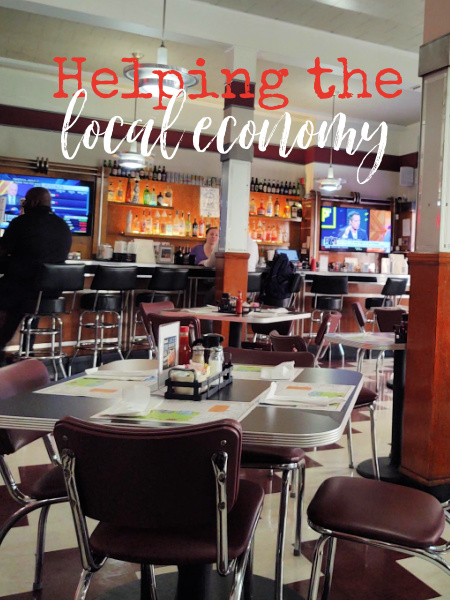
Instead of running to Target or Walmart at your destination, as easy as those can be, try to hit up locally-owned and operated shops and grocery stores. As much as I love Sainsbury when I'm in London, I like to shop co-ops and little bodegas for groceries. I am a big fan of the farmers' markets and outdoor markets that sell vintage items and books and other souvenirs.
On vacation is when we buy the majority of our holiday gifts, and I'm always on the lookout for unique items at one-off shops and things made by local artisans. It makes me feel good knowing I helped the economy a bit and also my gift recipients won't be able to buy the same thing at home. It's a win-win. When dining out, I almost never eat at a chain restaurant and instead look for highly-rated locally-owned establishments. I will often ask staff where we stay or at attractions where they like to eat, because they will generally point you to some delicious places that aren't that expensive and are unique to your destination.
Don't forget to tip
There are usually a lot of people behind the scenes that you don't see, whether you're staying at a boutique property, eating in a cozy pub, or getting amazing service in a yummy little eatery, leave a proper tip to let them know you enjoyed their service and they continue to enjoy working there and giving the same level of service to everyone else. If people love what they do, and are properly compensated (I know you are just one small cog in that machine), then they make it a place you tell people about, so more people visit and they can continue to flourish.
Even if our dollars still end up outside of the communities we visit, we can at least try our best to keep as many as possible inside them, helping people, preserving the culture, and enabling them to thrive for generations to come, so more tourists can enjoy the places you did and you can enjoy places others did.
Of course you're going to want to do some generic touristy stuff. It's fun and inevitable, but there are a lot of ways you can "shop small" when you travel and it only takes a little effort to do so.
Do you try to spend locally when you travel, or have you never really thought too much about where your money goes once it leaves your bank account? Honestly, knowing who I'm supporting at home has helped me to think more about it on vacation.



.jpg)